

Quick answer
When entering into contracts or business agreements, you may encounter terms like bank guarantees and surety bonds. Both serve as financial safety nets, but they work differently and suit different situations. Choosing the right one can…
- Large international trade deals where trust is critical
- Projects requiring high-value financial security
- Situations where the beneficiary wants direct payment assurance from a bank
When entering into contracts or business agreements, you may encounter terms like bank guarantees and surety bonds. Both serve as financial safety nets, but they work differently and suit different situations. Choosing the right one can protect your interests and ensure smooth transactions. This post breaks down the key differences between bank guarantees and surety bonds, helping you decide which option fits your needs best.
What Is a Bank Guarantee?
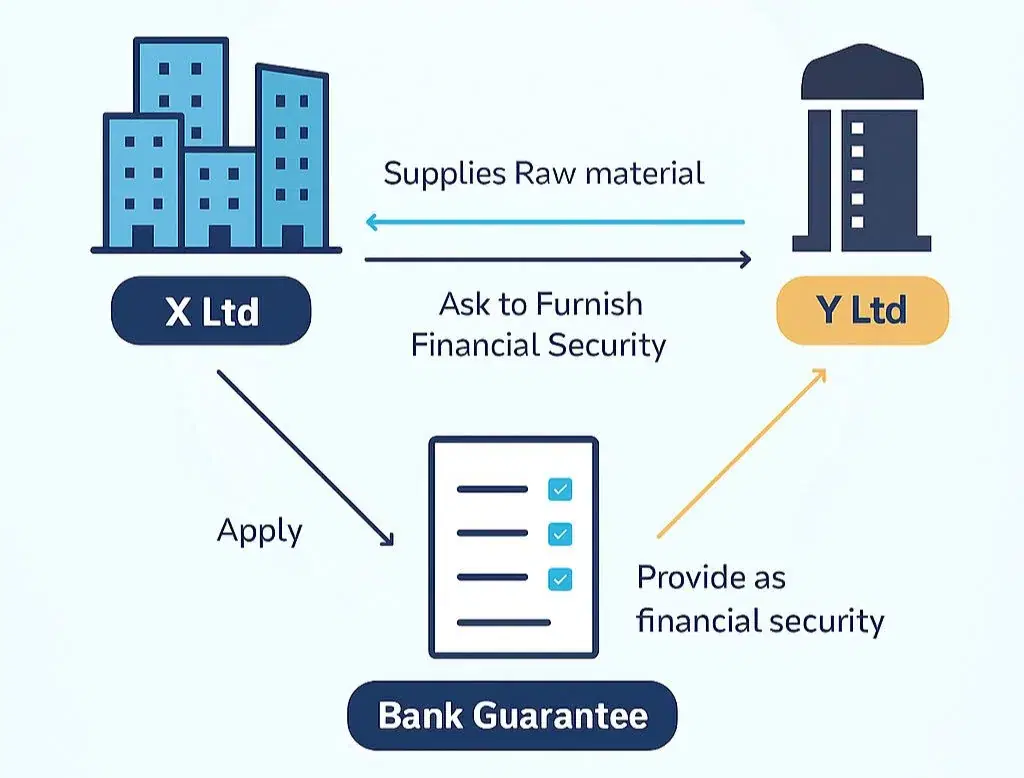
A bank guarantee is a promise from a bank that it will cover a loss if a party in a contract fails to meet their obligations. It acts as a safety net for the party receiving the guarantee, usually the buyer or project owner.
For example, if a contractor fails to complete a project, the bank will pay the agreed amount to the project owner. The contractor then repays the bank. This guarantee reduces the risk for the project owner and helps contractors secure contracts by showing financial backing.
Bank guarantees are common in international trade, construction projects, and large purchases. They often require the applicant (the party requesting the guarantee) to provide collateral or meet strict credit requirements.
What Is a Surety Bond?
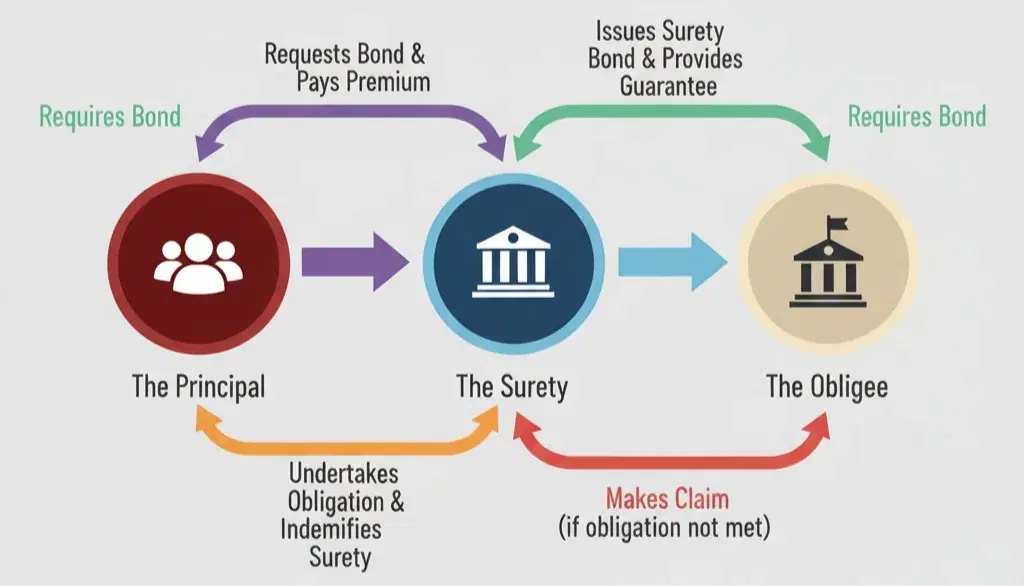
A surety bond involves three parties: the principal (the party who needs the bond), the obligee (the party requiring the bond), and the surety (the company providing the bond). The surety guarantees that the principal will fulfill their contractual obligations.
If the principal fails, the surety compensates the obligee up to the bond amount. Then, the principal must reimburse the surety. Surety bonds are common in construction, licensing, and court cases.
Unlike bank guarantees, surety bonds are issued by insurance companies or specialized surety firms, not banks. They often require less collateral but involve a thorough evaluation of the principal’s ability to perform.
Key Differences Between Bank Guarantees and Surety Bonds in India
| Feature | Bank Guarantee | Surety Bond |
|---|---|---|
| Issuer | Bank | Insurance Company |
| Collateral Required | High | Low |
| Impact on Working Capital | High | Low |
| Regulator | RBI | IRDAI |
| Ideal For | Traditional setups | Modern, capital-efficient firms |
When to Choose a Bank Guarantee
Bank guarantees work well when you need a strong financial promise backed by a bank’s credit. They are ideal for:
- Large international trade deals where trust is critical
- Projects requiring high-value financial security
- Situations where the beneficiary wants direct payment assurance from a bank
For example, a company importing goods from overseas might ask for a bank guarantee to ensure payment if the supplier fails to deliver.
When to Choose a Surety Bond
Surety bonds suit situations where performance or compliance is the main concern. They are common in:
- Construction contracts requiring performance bonds
- Businesses needing licensing or permit bonds
- Court cases requiring bail bonds or appeal bonds
For instance, a construction firm might need a surety bond to guarantee project completion for a city government contract.
Practical Examples to Illustrate Differences
Imagine a contractor bidding on a government project. The government may require a performance bond (a type of surety bond) to ensure the contractor completes the work. If the contractor fails, the surety pays damages, then recovers costs from the contractor.
On the other hand, if the same contractor needs to guarantee payment to a supplier, they might use a bank guarantee. The bank promises to pay the supplier if the contractor defaults, providing financial security for the supplier.
What to Consider Before Choosing
- Cost: Bank guarantees usually cost more because banks take on more risk and require collateral. Surety bonds often have lower premiums but require a strong track record.
- Speed: Surety bonds can be quicker to obtain since they don’t always require collateral. Bank guarantees might take longer due to credit checks and collateral evaluation.
- Risk: Bank guarantees put more risk on the bank, while surety bonds spread risk between surety and principal.
- Legal implications: Understand the laws governing each in your jurisdiction, as they affect enforcement and claims.
Final Thoughts
Both bank guarantees and surety bonds provide valuable protection in contracts and business deals. Bank guarantees offer strong financial backing from banks, making them suitable for high-value transactions and international trade. Surety bonds focus on performance and compliance, commonly used in construction and licensing.
Choosing the right option depends on your specific needs, costs, and the nature of your contract. Evaluate your situation carefully, and consult financial or legal advisors if needed to make the best choice.